Diving into one of the hotly debated nutrition topics right now: seed oils. A registered dietitian dishes on what they are, why people fear them, what the research actually shows, and whether or not they’re safe to consume.
Seed oils. They’re soooo hot right now. Well, the topic is at least.
You’ve probably seen a lot of rhetoric online about them being harmful and toxic. Even restaurants and food brands are switching from seed oils to alternative fat sources, like beef tallow.
This comes with the recent 2025-2030 Dietary Guidelines, which promote using beef tallow and butter in place of seed oils.
But are these recommendations evidence-based? Are seed oils something you should avoid in home cooking and takeout? As a registered dietitian, I have a lot to say on the topic.
Let’s dive into it…
What are seed oils?
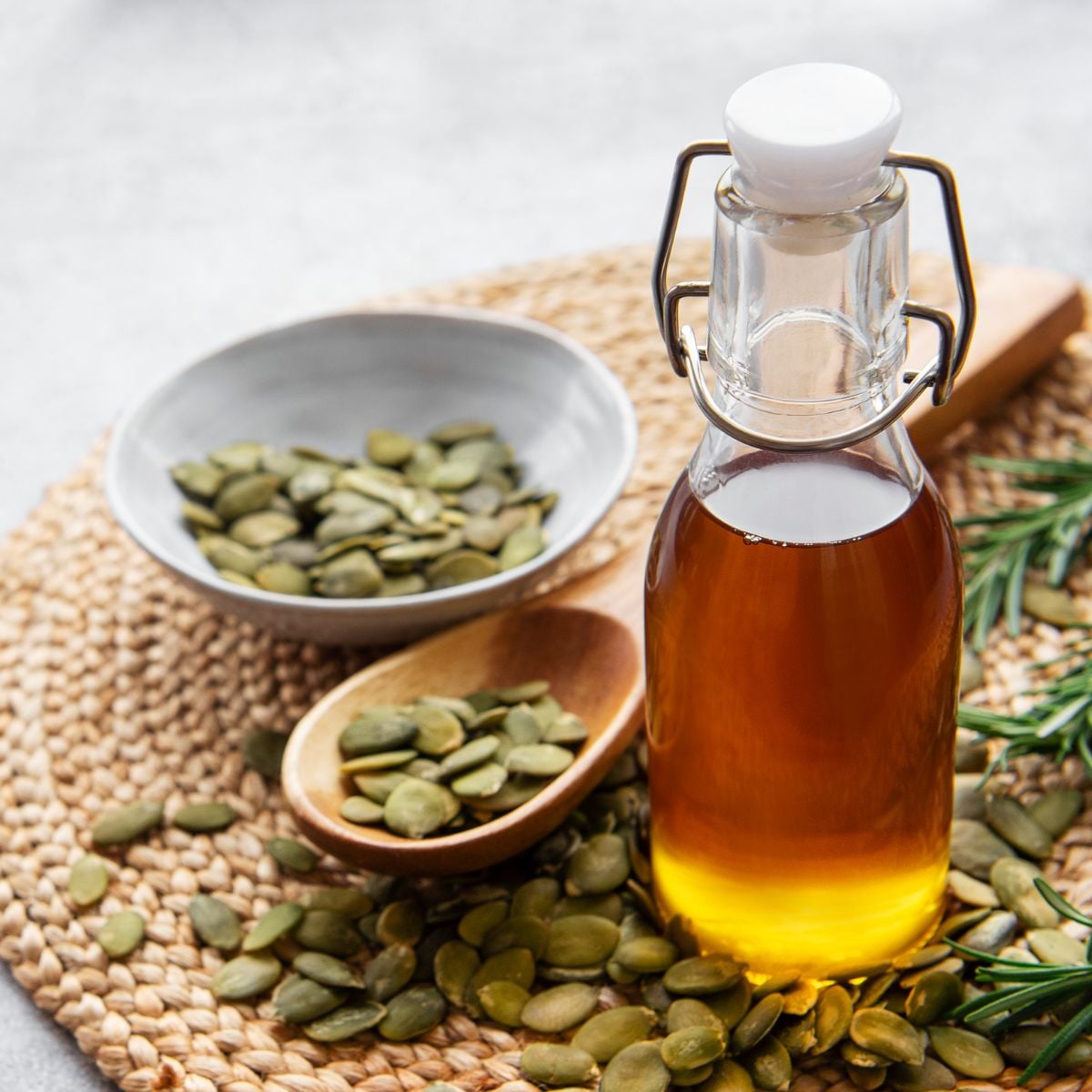
Seed oils are oils that are extracted from the seeds of certain plants. The eight most common ones are soybean, canola, corn, safflower, cottonseed, grapeseed, rice bran, and sunflower.
They’re made through a process that uses both heat and chemicals, which is one of the primary concerns people have.
One of the concerns is about hexane, a solvent that can be used to extract oil from seeds. A solvent is a substance that helps separate or extract something from another material, like how water helps pull flavor and color from tea leaves.
And if you’re like, wtf is hexane and why is it concerning? Hexane is derived from petroleum and is toxic and harmful to the nervous system in gas form at high levels.
However, when the oil is processed, hexane evaporates. If any trace amounts of hexane were left, it would be at levels so small that they wouldn’t be considered a health concern.
Long story short, seed oils undergo processing to get from seeds to oil, but that doesn’t make them toxic to consume. If you’re still considered about hexane, you can buy organic seed oils, which don’t use hexane as a solvent, but are more expensive than conventional.
Seed oils are also higher in essential fatty acids called omega-6s. They’re referred to as “essential” because our bodies can’t produce them, so we have to get them from outside sources, like food.

Are omega-6 fatty acids bad?
There are two types of polyunsaturated fatty acids (PUFAs) – omega-6 and omega-3. Despite both being considered essential fatty acids, we typically see an emphasis on getting enough omega-3s, since they are harder to get through your diet if you’re not eating fatty fish, nuts, and seeds regularly.
The high omega-6 content of seed oils is another reason they are blamed for being “toxic” or “unhealthy.” But the evidence says otherwise. Omega-6 fatty acids can help control blood sugar, reduce the risk of diabetes, and lower blood pressure.
Both omega-6 and omega-3 fatty acids are critical for building and maintaining healthy cell walls, producing hormones, and supporting the immune response. A diet rich in omega-6s and omega-3s has also been shown to reduce the risk of inflammation.
So it’s clear that our bodies need both types of PUFAs to function properly. Just like so many aspects of nutrition, it’s about consuming a variety of foods, and that includes fat sources. They are each unique in their composition and how our bodies utilize them.
Fact vs. Fiction: Seed Oils
They’re pro-inflammatory.
FICTION: The research shows that omega-6 polyunsaturated fatty acid intake doesn’t increase inflammation markers. In a review of 30 randomized controlled trials, no evidence shows that consuming seed oils increased inflammatory markers.
They’re toxic.
Beef tallow is a better option than seed oils.
Seed oils in our diets
The main reason seed oils get so much hate is that they are commonly used in ultra-processed foods, which are also heavily criticized.
Seed oils are much cheaper than alternatives like olive oil or butter, which is why restaurants and food manufacturers use them. If you eat out / order takeout often or consume a lot of packaged foods, you might be consuming more omega-6’s than you realize.
Zooming out and looking at the bigger picture, perhaps it’s not the seed oils themselves that are harmful, but the overconsumption of ultra-processed foods high in added sugar, sodium, and saturated fat.
The Takeaway (TL;DR)
My biggest piece of advice is to focus on variety and balance. Instead of looking at what you need to remove from your diet, think about what you can add.
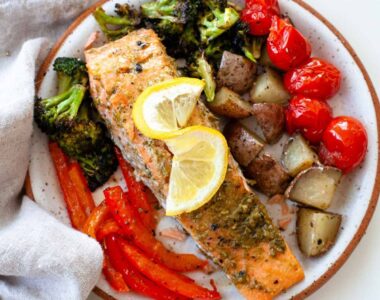
Rather than focusing on avoiding seed oils, consider adding more omega-3s to your diet by introducing salmon, walnuts, or chia seeds.
Rather than focusing on removing seed oils from your diet, think about eating more whole foods like fruits, veggies, lean meats, legumes, whole grains, nuts, and seeds.
Take comfort in knowing that seed oils are not the enemy, and there’s no need for all the fear-mongering and hype surrounding them.